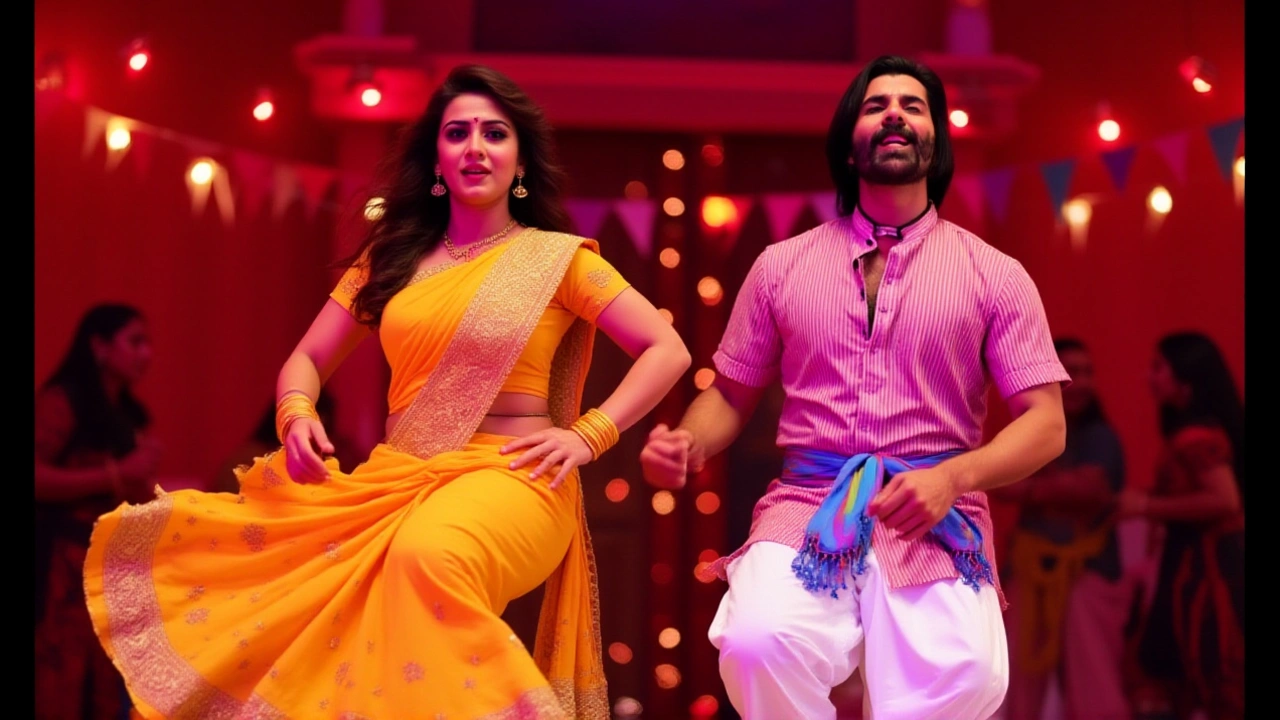
When Akshay Kumar, Bollywood superstar and Akshara Singh dropped their high-energy Bhojpuri track "Ghis-Ghis-Ghis" on May 26, 2026, the internet didn't just notice—it erupted. The song, a promotional single for the upcoming film Welcome to the Jungle, has sparked immediate buzz across social media platforms, blending action, romance, and raw desi vibes in a way that feels both familiar and refreshingly bold.
Here’s the thing: this isn’t your typical Bollywood cameo. This is a full-throttle dive into Bhojpuri culture, featuring energetic dance sequences and a chemistry between the leads that fans are calling "unmissable." And it’s only the beginning—the movie itself hits theaters on June 26.
The First Look That Broke the Internet
The moment "Ghis-Ghis-Ghis" was released, it became the talk of the town—or rather, the timeline. Social media users flooded Twitter, Instagram, and YouTube with reactions, memes, and dance covers within hours. The phrase "Bhojpuri tadka" (Bhojpuri spice) trended as netizens praised the duo’s on-screen energy.
But wait—why does this matter? Because Akshay Kumar hasn’t fully embraced regional music videos in years. His last major Bhojpuri appearance dates back over a decade, making this return significant not just for fans but for the broader industry watching how legacy stars adapt to regional markets.
The twist is that this isn’t just a song—it’s a strategic rollout. Industry insiders note that pairing a global star like Akshay with rising talent Akshara Singh creates a perfect storm: established credibility meets fresh appeal. It’s a formula that worked for Shah Rukh Khan in *Pathaan* and now seems tailored for mass-market penetration in North India’s heartland.
Behind the Beat: What Makes This Song Different
Unlike polished studio productions, "Ghis-Ghis-Ghis" leans heavily into authenticity. Filmed with vibrant colors, traditional attire, and dynamic choreography, the video captures the essence of rural Uttar Pradesh and Bihar—regions where Bhojpuri cinema holds deep cultural roots.
According to reports from Patrika, the song showcases “Bhojpuri dance and an energetic style” that highlights both actors’ commitment to the role. No green screens, no over-editing—just raw performance. That approach resonates strongly with audiences tired of overly produced content.
Interestingly, the title itself—repeating “ghis” three times—is playful yet rhythmic, designed to stick in listeners’ heads. Think of it like the Hindi equivalent of “Uptown Funk”: simple, repetitive, impossible to ignore.
Film Release Strategy: Building Hype Before June 26
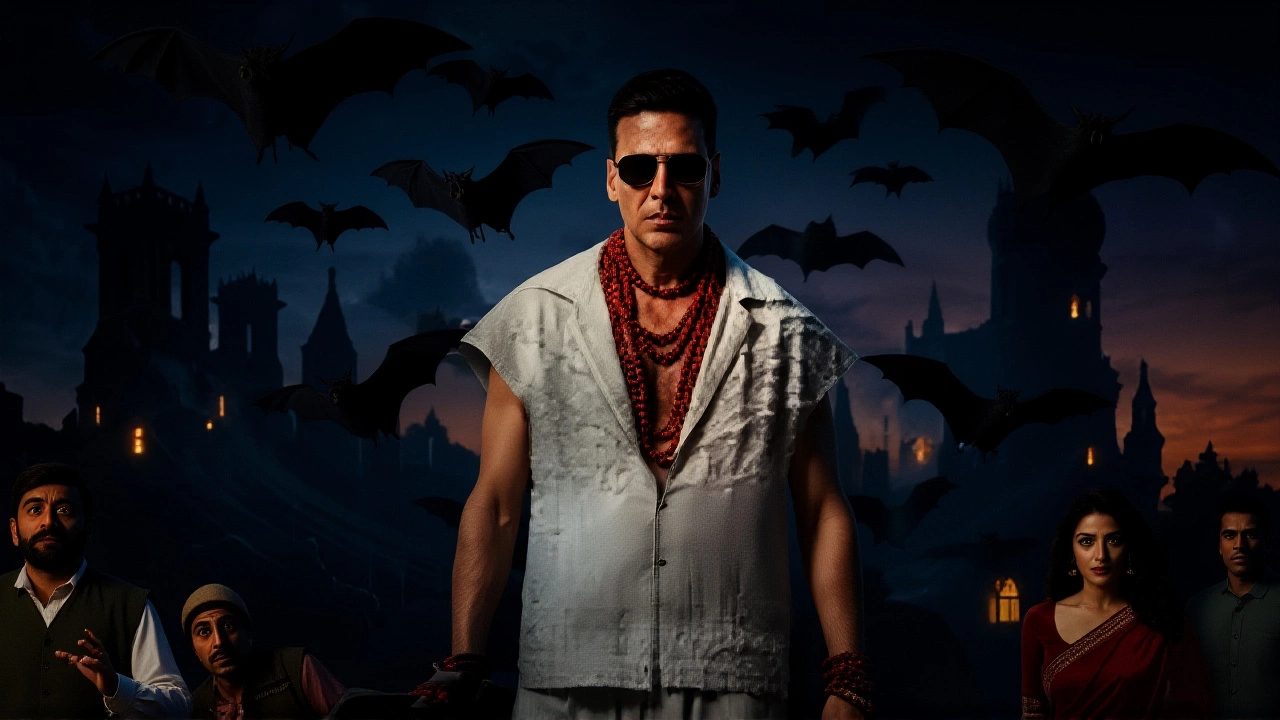
This release is part of a calculated marketing campaign for Welcome to the Jungle, set to premiere on June 26, 2026. By dropping the song nearly a month early, producers aim to build anticipation without revealing too much about the plot.
Compare this to last year’s *Kalki 2898 AD*, which used teaser trailers and character posters to generate discussion months ahead. Here, the focus is purely on mood and movement—a smart move given the film’s likely genre blend of action and romance.
The YouTube promo video titled “The Jungal Bhojpuri Song Release Time Akshay Kumar…” explicitly states this is the first time the pair appears together on screen. That novelty factor alone drives engagement. Fans love seeing new combinations, especially when one partner brings decades of box office success.
Industry Impact: Why Regional Music Is Back in Focus
Bhojpuri films have long been dismissed by mainstream critics—but they consistently deliver strong returns in tier-2 and tier-3 cities. In 2025 alone, several Bhojpuri releases grossed over ₹10 crore domestically, proving there’s immense untapped potential.
By entering this space, Akshay Kumar signals respect for regional audiences while expanding his brand reach. Meanwhile, Akshara Singh gains visibility beyond her web series fame, positioning herself as a versatile performer capable of crossing linguistic boundaries.
Experts suggest this could inspire more cross-industry collaborations. Imagine Deepika Padukone doing a Tamil number or Ranveer Singh tackling a Marathi folk tune. If done right, these projects can humanize celebrities and connect them with diverse fanbases.

What Comes Next?
With the film launching on June 26, expect more teasers, behind-the-scenes clips, and possibly another single. Producers may also organize roadshows in Patna, Varanasi, and Lucknow—key hubs for Bhojpuri viewership.
If history repeats itself, word-of-mouth will play a crucial role. Songs like “Lakdi Ki Kathi” or “Chaiyya Chaiyya” proved that music can sustain interest even after initial hype fades. For *Welcome to the Jungle*, “Ghis-Ghis-Ghis” might just be the spark that ignites summer blockbuster status.
Frequently Asked Questions
Who starred in the song "Ghis-Ghis-Ghis"?
The song features Bollywood icon Akshay Kumar alongside actress Akshara Singh. It marks their first collaborative project and serves as a promotional single for the film *Welcome to the Jungle*, releasing June 26, 2026.
When was "Ghis-Ghis-Ghis" released?
The song went live on May 26, 2026, exactly one month before the theatrical release of *Welcome to the Jungle*. Its timing aligns with standard pre-release marketing strategies aimed at building audience excitement.
Is this Akshay Kumar’s first Bhojpuri song in recent years?
Yes, this represents his most prominent return to Bhojpuri music since the early 2010s. While he has appeared in regional films before, few included original songs performed directly by him—making this a notable comeback.
Why is this song generating so much attention online?
Its viral success stems from authentic styling, catchy repetition, and the rare pairing of a veteran star with emerging talent. Audiences appreciate the lack of artificial polish, preferring genuine expressions of regional culture over sanitized versions.
How does this fit into the larger promotion for *Welcome to the Jungle*?
It acts as the opening salvo in a phased promotional strategy. Rather than releasing full trailers immediately, filmmakers are using music and visuals to establish tone and attract curiosity—similar to how *RRR* built momentum through standalone tracks.